Study MBBS
Compare top medical universities across USA, Russia, Georgia, Kazakhstan, and Kyrgyzstan.
Your Guide to MBBS Abroad
We highlight top medical universities in USA, Russia, Georgia, Kazakhstan, and Kyrgyzstan, sharing why each country is ideal for your MBBS journey.


Studying abroad changed my life!
Amina K.
"
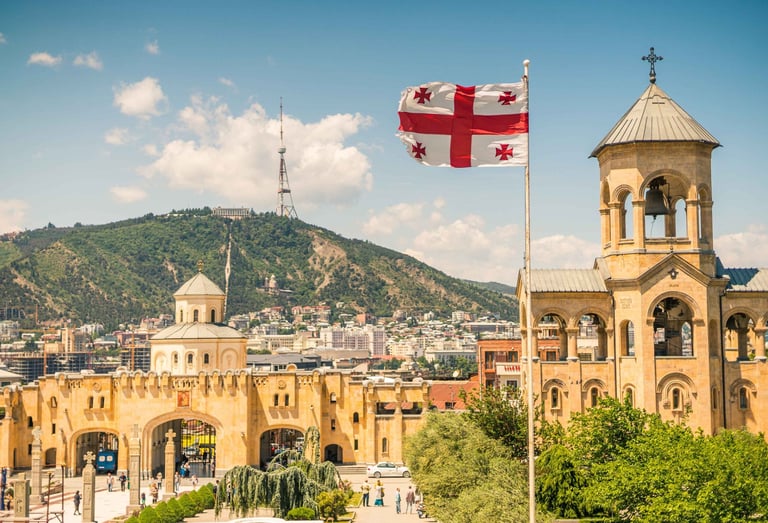
Why Study MBBS in GEORGIA!
The universities are often NMC-recognized, ensuring the degree is valid for appearing for the mandatory NExT exam (formerly FMGE) for practice in India. Furthermore, the admission process is straightforward, the curriculum is taught entirely in English, and the country provides a safe, welcoming environment meeting high European educational standards.
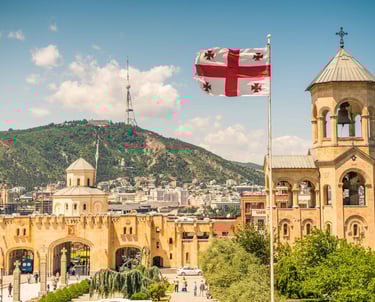
Course Structure: The 6-Year MD Program
Georgian medical schools follow the European 6-year single-cycle Medical Doctor (MD) program, which is the academic equivalent of the Indian MBBS degree.
Year Focus Area
Years 1 – 2 : Basic Medical Sciences:
Anatomy, Physiology, Histology, Biochemistry, Embryology, and Medical Physics
ECTS Credits : ~120
USMLE Preparation : Foundation building for USMLE Step 1
Years 3 – 4 : Pre-Clinical/Pathology
Pharmacology, Pathology, Microbiology, General Surgery, Radiology, Public Health. Early clinical exposure begins.
ECTS Credits : ~120
USMLE Preparation : Primary USMLE Step 1 preparation period (end of Year 3/4).
Years 5 – 6 : Clinical Sciences/Rotations
Internal Medicine, Surgery, Obstetrics & Gynaecology, Paediatrics, Family Medicine, Emergency Medicine.
ECTS Credits : ~120
USMLE Preparation : USMLE Step 2 Clinical Knowledge (CK) preparation and possible US electives.
Why Study MBBS in KAZAKHASTAN!
Kazakhstan is a highly attractive destination for Indian medical aspirants, primarily due to a compelling combination of affordability and global recognition. The most significant draw is the low fee structure, which is dramatically cheaper than private medical colleges in India, with total course costs for 6 years often ranging between ₹25 Lakh to ₹35 Lakh. Crucially, there are no capitation fees or donations required for admission, ensuring transparency. Furthermore, medical degrees from top Kazakh universities are NMC-approved (National Medical Commission) and WHO-listed, ensuring graduates are eligible to take the FMGE/NExT licensing exam to practice in India. The instruction medium is primarily English, eliminating the language barrier in academic settings. Universities offer high-quality education with modern infrastructure and extensive clinical exposure. The simplified admission process based on NEET qualification, combined with a safe environment and low cost of living, makes Kazakhstan an excellent, value-for-money option for achieving the dream of becoming a doctor.


Why Study MBBS in KYRGYZSTAN!
Studying MBBS in Kyrgyzstan has become a popular and affordable option for Indian medical aspirants who face intense competition and high fees in India. The primary draw is the low tuition fee and cost of living, which is significantly lower than private medical colleges in India.
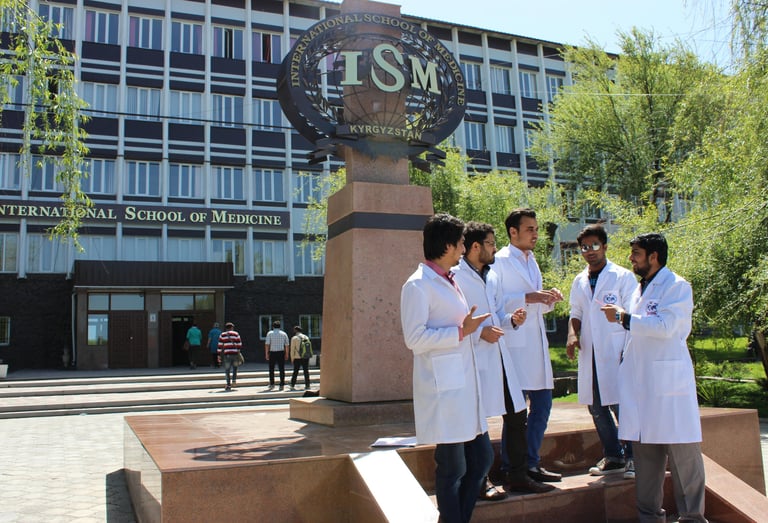
Studying MBBS in Kyrgyzstan has become a popular and affordable option for Indian medical aspirants who face intense competition and high fees in India. The primary draw is the low tuition fee and cost of living, which is significantly lower than private medical colleges in India.Key Advantages
Affordability: The complete course package, including tuition, hostel, and food, is often achievable within a budget of ₹15–30 Lakhs, making it financially accessible for middle-class families.
NMC/WHO Recognition: Many leading universities are recognized by the National Medical Commission (NMC) and the World Health Organization (WHO), ensuring the degree is globally valid and graduates are eligible to take the FMGE/NEXT examination to practice in India.
English Medium Instruction: Most medical universities offer the entire MBBS program in English, eliminating the language barrier for Indian students in the classroom.
Indian Community and Food: A large, established Indian student community and the availability of Indian mess facilities (Indian food cooked by Indian chefs) help new students adapt culturally and with dietary needs.
Simple Admission: The process is generally straightforward, requiring only NEET qualification and a minimum of 50% marks in PCB in Class 12, with no additional entrance exams for admission.
These factors combine to offer a high-quality, internationally recognized medical education without the immense financial burden of other options
Why Study MBBS in RUSSIA!
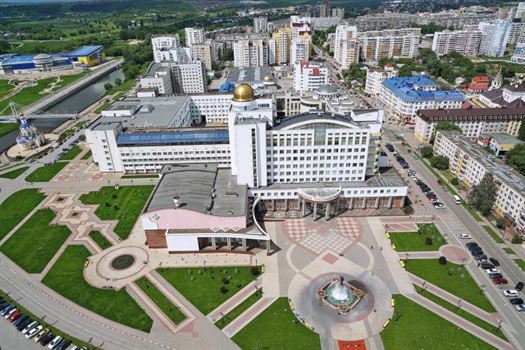
for many Indian students, Russia presents a powerful opportunity to achieve their dream of becoming a doctor by providing a pathway that is significantly more affordable and less competitively guarded than the domestic system, while still offering an NMC-recognized, quality medical degree with international exposure. The country offers a compelling blend of affordability, quality education, and international exposure.
Why Study MD in USA!!!
The US is a global leader in medical training and research. Studying for an MD in the USA provides access to cutting-edge technology, highly-structured residency programs, and a respected degree crucial for practicing medicine with high earning potential and job security within the US healthcare system.


Accreditation, Cost, and School Reputation
Success is highly dependent on attending a school with recognized accreditation (ECFMG/NCFMEA) to ensure US eligibility. These programs are often very costly, and students must choose a reputable institution with a proven track record of residency placement to mitigate the financial and career risks.
The Caribbean Pathway: An Alternative Entry Point
This route is for students who face highly competitive US medical school admissions. Caribbean schools offer less stringent GPA/MCAT requirements and rolling admissions. The core purpose is to obtain a degree that qualifies the student to practice and train in the United States.
US-Centric Training and Residency Hurdles
Curricula are designed for USMLE success, and the final years include crucial clinical rotations in US hospitals. However, graduates are classified as International Medical Graduates (IMGs), making the highly competitive US residency match process significantly more difficult compared to US MD or DO graduates.
Caribbean medical schools are a among Indian medical students aspire to practice in the USA. However, not all Caribbean schools are the same.
For a "Gateway to the USA," you must choose schools with "50-State Approval" (recognized by California, New York, Florida, etc.). Without this, you cannot practice in many parts of the US.
Below is the list of the "Big 4" accredited schools that are the safest and most reliable gateways for Indian students.
Quick Comparison: Top 4 Caribbean "Gateway" Schools
Detailed School Profiles
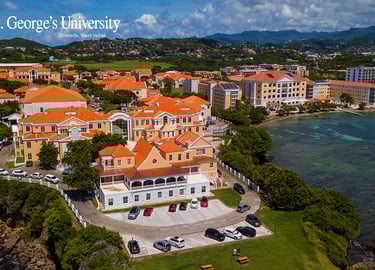
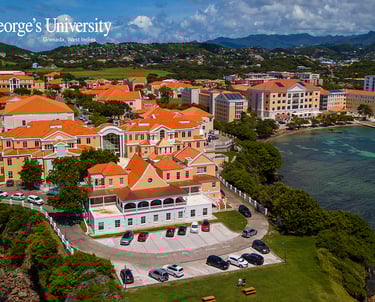
1. St. George’s University (SGU)
Why it's a top choice: SGU is arguably the most famous Caribbean school. It operates almost like a massive factory for US doctors. They have a specific 5-Year MD track designed for students coming from the British/Indian 10+2 system.
Entry Requirements:
Academic: 80%+ aggregate in Class 12 (PCB).
Exams: IELTS/TOEFL is mandatory. NEET is required only if you plan to return to India.
Course Structure (5-Year MD):
Year 1: Pre-clinical (Foundation) sciences in Grenada (or option to do part in UK/India via partners like Ramaiah).
Year 2-3: Basic Medical Sciences (Grenada).
Year 4-5: Clinical Rotations in affiliated hospitals in the USA or UK.
Fee Structure: High. Expect tuition to be approx. $35,000 - $40,000 USD per term for the medical years. Total cost often crosses ₹2.5 Crores by the time you finish.
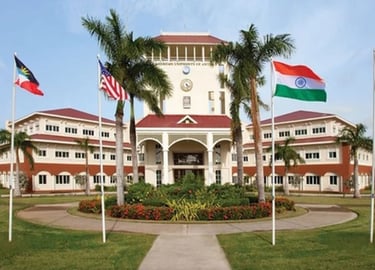
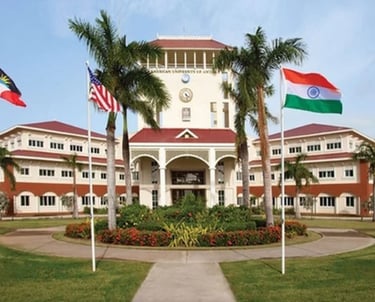
2. American University of Antigua (AUA)
Why it's a top choice: AUA is part of the Manipal Education and Medical Group. This makes it extremely culturally comfortable for Indian students. They have a program where you can even start your pre-med at Manipal (Karnataka) before moving to Antigua.
Entry Requirements:
Academic: 50%+ in Physics, Chemistry, Biology (PCB) in Class 12.
Exams: NEET is mandatory.
Course Structure (6.5 Year Track):
Pre-Med (2 Years): Can be done at AUA campus or Manipal (India).
BS Sciences (2.5 Years): Pre-clinical studies in Antigua.
Clinical Rotations (2 Years): Hands-on training in US hospitals.
Fee Structure: More affordable than SGU.
Tuition: Approx. $20,000 - $25,000 USD per semester.
Total Package: Generally lands between ₹1.5 Crores - ₹1.8 Crores.
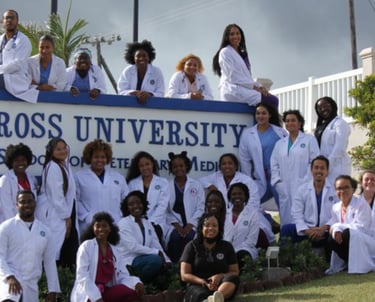
3. Ross University School of Medicine (RUSM)
Why it's a top choice: Ross is known for its rigorous curriculum and high attrition rate (they fail students who aren't ready), which results in a very high USMLE pass rate for those who survive.
Entry Requirements:
Academic: Strong science GPA in Class 12.
Special Track: They often filter Indian 10+2 students through a "MERP" (Medical Education Readiness Program) or "AMP" track to bridge the gap between Indian high school and US medical curriculum.
Course Structure:
Basic Sciences: Completed in Barbados.
Clinical Rotations: Completed in the US (they have strong ties with teaching hospitals in New York, Florida, and California).
Fee Structure:
Tuition: ~$24,000 - $26,000 USD per semester.
Total: Expect ₹2.0 Crores+ total investment.